Blog

The stories behind the rules.

LLL is not just a pile of constraints. It is a set of decisions about where AI-built systems break, what older engineering traditions already learned, and why stricter structure can be a form of mercy.

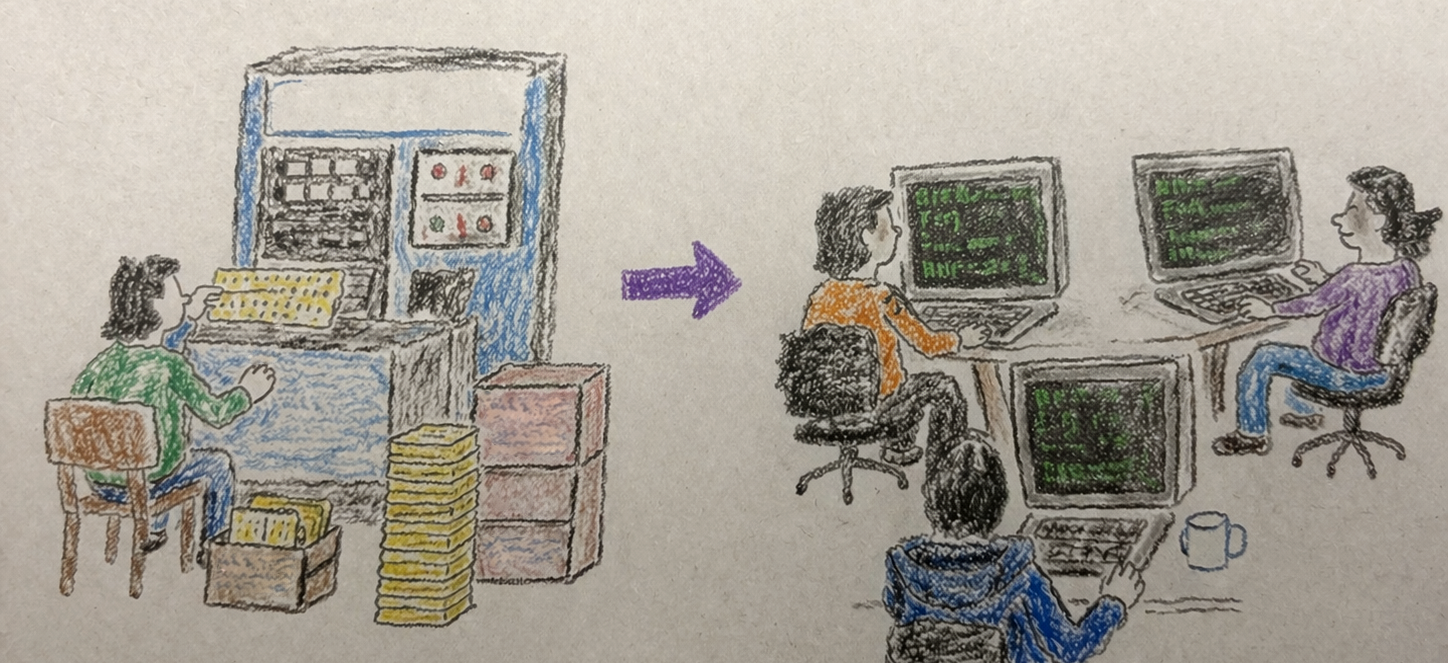
Vintage compiler team moving from punch-card era tooling into self-hosting code on terminals
Dogfooding

When the Tool Picks Up Its Own Hammer

Most software is happy to preach its worldview from a safe distance. Much less software volunteers to live inside it. LLL does. `LLLTS` is written in its own language, which means the language is not merely a manifesto about how AI should build serious systems. It is also a daily test of whether those rules can survive contact with a real compiler, a real toolchain, and the slow grind of improving the product from inside its own discipline.

April 11, 2026 Read entry
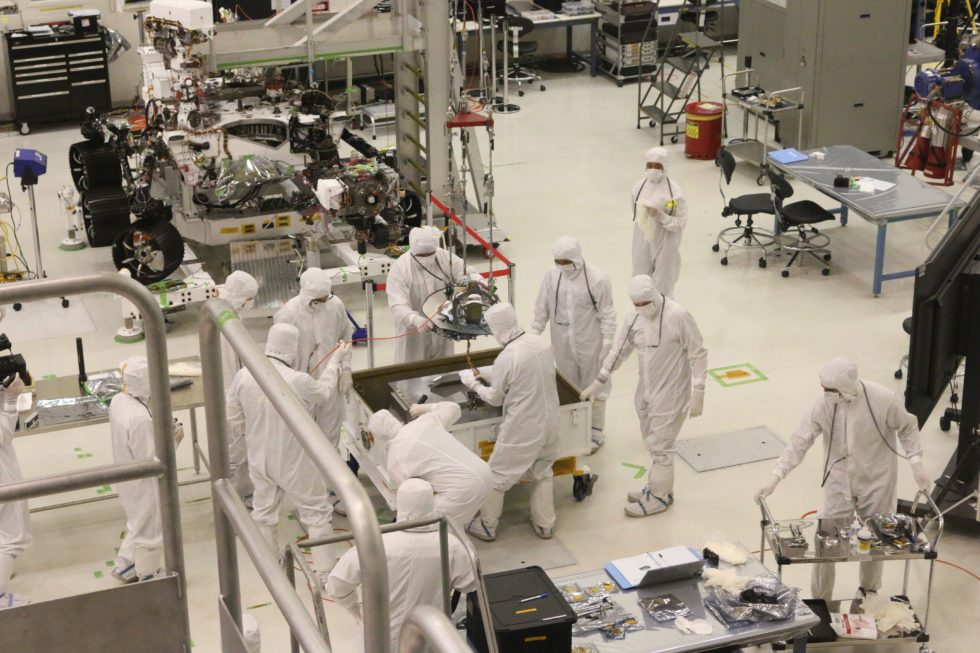
Technicians in full cleanroom suits working around aerospace hardware in a bright assembly facility.
Structure

The Night We Put a Cap on Chaos

Projects do not usually die in one dramatic crash. They bloat. They ooze. They learn how to hide their damage in long files, swollen folders, and methods that read like somebody trying to outrun a fire. The cleanroom instinct inside LLL came from watching that rot up close and deciding to make decomposition non-negotiable. Size limits were never decoration. They were a way to keep both the human eye and the model mind inside a room small enough to reason in before the walls filled with smoke.

March 24, 2026 Read entry
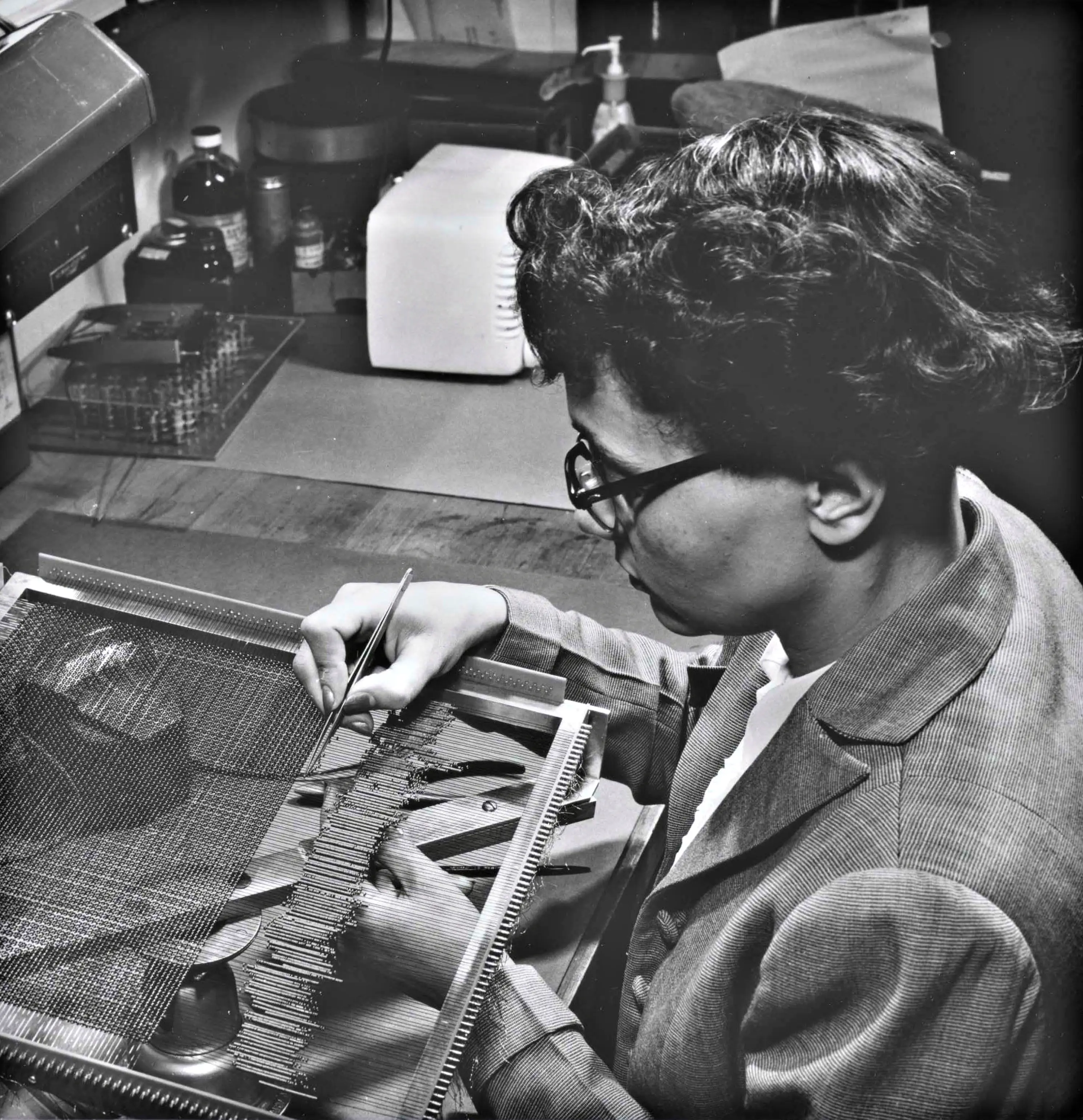
Historical photo of a worker weaving rope memory for the Apollo Guidance Computer used in NASA's Apollo program.
Language Design

Why We Started With the Language the Models Already Dream In

There is a childish temptation in language design: invent the new alphabet, invent the new cathedral, invent the costume so everybody can see the revolution from the street. We took the opposite road. TypeScript was already burned into the statistical reflexes of modern models, already carrying enough syntax memory to let us spend our ambition on discipline instead of novelty. LLLTS begins there because a stricter future does not need alien grammar. It needs the old grammar with fewer exits and better consequences.

March 18, 2026 Read entry
Abstract composition with a bright caption band above darker code blocks, representing intent declared before implementation.
Intent

The Sentence Before the Code

A lot of bad code starts with a shrug. The body appears first, then the excuses, then the comment if anyone remembers. `@Spec` flips that order. It makes the model say what the unit is for before the body starts improvising. That small sentence is not poetry. It is pressure. It narrows the corridor, sharpens the next move, and leaves behind a visible contract when somebody comes back later asking what this thing was supposed to do in the first place.

March 10, 2026 Read entry
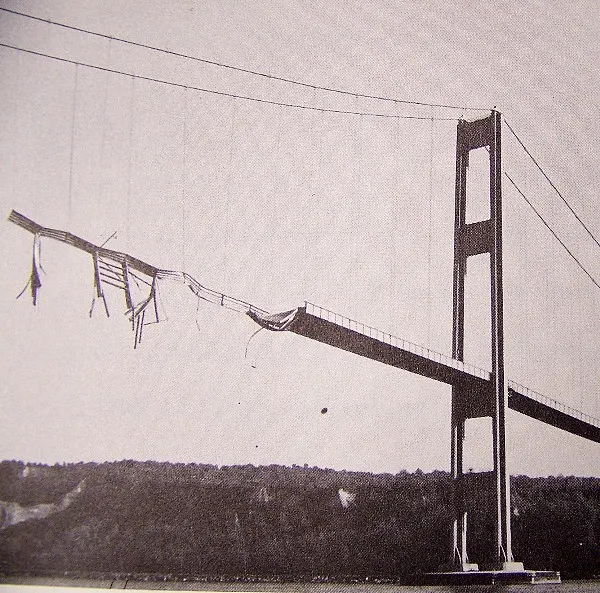
Historical photo of the Tacoma Narrows Bridge after collapse, a structure that looked convincing until real-world pressure exposed its weakness.
Testing

One Demo Is How You Get Lied To

A clean demo is a seduction trick. The button lights up, the happy path sings, everybody claps, and meanwhile the untested edges wait in the alley with a tire iron. LLL leans toward paired tests and scenario structure because one pass is too easy to flatter. Serious systems need repeated pressure from named situations, not applause for surviving a single spotlight moment. We do not trust the first story the software tells about itself.

March 3, 2026 Read entry
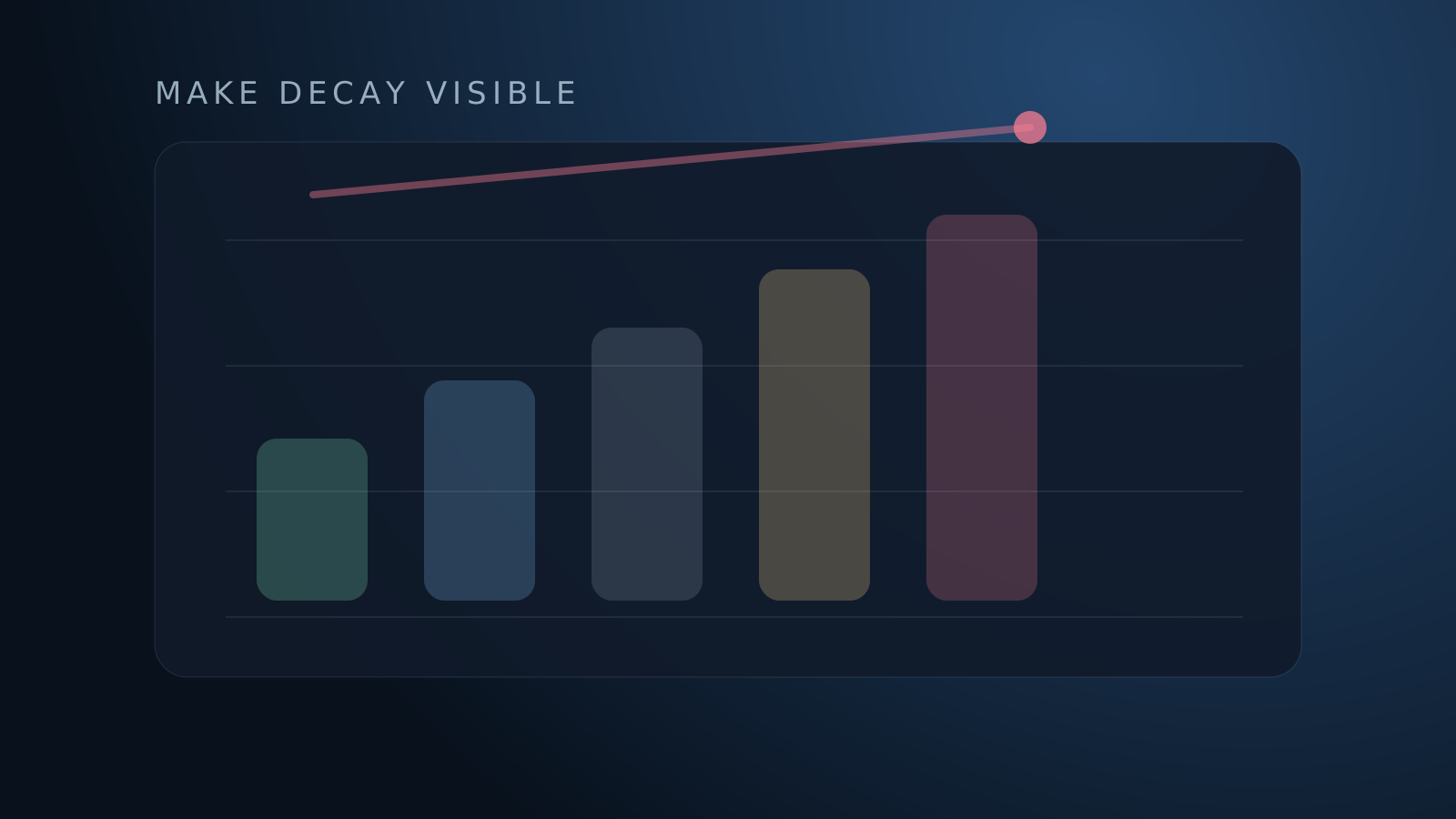
Abstract visual with rising bars and fracture lines, showing invisible quality debt becoming loud and measurable.
Quality Pressure

Debt Should Rattle in the Walls

The dangerous debt is not the debt you measure. It is the debt that learns how to hide under momentum. AI projects are especially good at disguising decay as progress because new output keeps arriving even while the test surface thins and the regressions multiply. Coverage debt in LLLTS exists to make that deterioration audible. Not elegant, not flattering, just audible. If a system is shedding assurance while it grows, the compiler should sound like pipes knocking through the whole building.

February 8, 2026 Read entry