A clean demo is a seduction trick. The button lights up, the happy path sings, everybody claps, and meanwhile the untested edges wait in the alley with a tire iron. LLL leans toward paired tests and scenario structure because one pass is too easy to flatter. Serious systems need repeated pressure from named situations, not applause for surviving a single spotlight moment. We do not trust the first story the software tells about itself.
One Pass Is A Glamour Shot
One clean run tells you almost nothing. It tells you the product can smile for the camera. Paired tests and named scenarios push past that performance and ask whether the same behavior survives from different angles, under different assumptions, with less room for accidental flattery.
That matters more in AI-built systems because the first version often looks convincing before it becomes dependable. Repeated pressure is how you separate a polished answer from a stable system.
The First Success Is Usually The Most Suspicious
A model loves the first success. The first success is easy to sell. You ask for a feature. It appears. You click the button. The button behaves. Everyone in the room starts acting like a witness to a miracle.
But the first passing test is often just the code finding the one pose that flatters it. Good lighting. Friendly input. No interruptions. No ugly data. No second angle. The software is not proven. It is photographed.
This is the real problem with vibe-coded confidence. It confuses one successful performance with a dependable habit. It sees a clean demo and starts planning a future around it. Then reality shows up with strange timing, malformed state, repeated actions, half-finished workflows, and users who do not know they were supposed to be polite.
Name The Situation Or Admit You Are Guessing
That is why named scenarios matter. A scenario is not just a test with a prettier label. It is a way of forcing the system to answer in public. What exactly is happening here. Under what conditions. With which expectation. What kind of pressure is this meant to survive.
Without scenario names, teams start lying to themselves in a very professional tone. They say the feature is tested. Tested when the cart is empty. Tested when the user double clicks. Tested when stale state collides with a fresh request. Tested after the previous action failed but left dirty footprints behind. If the situation has no name, the confidence is mostly perfume.
Naming the scenario turns the fog into something you can point at. It stops testing from being a vague virtue and turns it into a list of concrete confrontations.
Paired Tests Are How You Catch A Beautiful Liar
One test can be charmed. Two related tests start asking rude questions. If the first scenario proves the happy path, the paired scenario should come from a neighboring alley with worse weather. Same feature. Different pressure. Same promise. Less mercy.
This is where brittle systems begin to sweat. The implementation that looked so tidy under ideal input suddenly has to preserve the same behavior when the order shifts, when state already exists, when a user retries, when a value is missing, when the page is driven through the actual interface instead of the private little tunnel the author preferred.
A bad system can survive one compliment. What it hates is comparison. Paired tests create that comparison. They ask whether the behavior is real or whether the code just memorized one answer and hoped nobody would ask the follow-up.
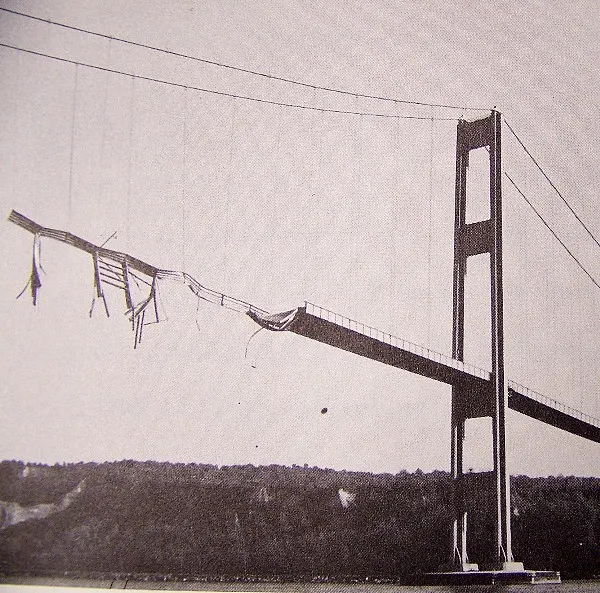
That is why the Tacoma Narrows Bridge fits this argument so well. It was not exposed by a poster or a first impression. It was exposed by conditions. A structure that could stand there looking complete still failed once the world applied the wrong kind of pressure. Software does this too. The first clean demo is often just the moment before the wind starts.
Pressure Is More Honest Than Coverage Theater
A lot of test culture is still built around counting. How many tests. How many lines touched. How many green check marks lined up in a row like teeth in a sales brochure. Counting has its place. Counting is not the same as pressure.
Pressure means the behavior gets cornered from more than one side. Pressure means the same claim has to survive both a direct unit scenario and, where it matters, a user-reachable behavioral scenario. Pressure means the system does not get to hide its insecurities behind private helper calls while the visible product stays unexamined.
And yes, the industry already has plenty of serious tools for testing. Vitest.
Jest. Cypress. The difference is where they live in the hierarchy. In
a normal project, the product exists here and the testing stack gets attached beside it like
auxiliary equipment. Useful equipment. Often excellent equipment. Still equipment you chose to
bolt on.
That sounds harmless until schedules get ugly. Then the attached system starts looking optional. Someone disables a slow suite for a week. Someone postpones browser coverage until after the launch. Someone says the tests are failing for infrastructure reasons and everybody agrees to be temporarily less principled. Because the testing system is adjacent to the project, it is always one negotiation away from becoming a second-class citizen.
This is why LLL pushes testing into companion structure and scenario rules instead of treating it like an optional afterthought. The point is not to decorate the repo with more files. The point is to keep asking for evidence after the demo has already made its seduction attempt.
In Most Stacks, Testing Is A Toolchain Decision
That is the crucial distinction. In ordinary development, you have the application and you have the testing setup. Two neighboring systems. Maybe tightly integrated, maybe well maintained, but still conceptually separate. The code can continue existing while the tests are neglected, bypassed, or politely ignored.
In LLL, testing is not waiting outside the language like a consultant with a badge.
The testing model is built into the contract of the system itself. Companion tests. Named
scenarios. Required host coverage. Unit pressure where direct logic matters. Behavioral pressure
where visible behavior matters. The language is designed with the assumption that verification
is part of what the code is, not an optional hobby the repo may or may not keep funding.
That changes developer (and model) behavior because there is less room for the usual bargaining. You do not keep reminding people to care. The structure already assumes care. The compiler already expects evidence.
The Browser Is Not An Afterparty
And the behavioral side matters here because too many projects still treat end-to-end proof like a ceremonial extra. Nice to have. Maybe later. Maybe before release. Maybe once somebody has time to fight the test runner and the browser setup and the flaky environment and the ten other excuses every team knows by heart.
LLL takes a harder position. If behavioral scenarios are present, the compile flow is expected to run them through a real browser path. The point is not to admire component logic in a private laboratory. The point is to verify what the user-facing surface actually does. Clicks. Inputs. Visible outcomes. The component has to survive contact with its own interface.
That is a different philosophy from bolting browser tests onto the side of a project and hoping nobody quietly stops running them. Here the browser is part of the verification story the language tells about itself.
AI Does Not Mind Repetition, So Let Repetition Become Discipline
Human developers have always had a decent excuse for cutting corners on this stuff. Repetition is tedious. Writing the second scenario feels less glamorous than shipping the next feature. People get impatient. They start bargaining with the future.
Models do not get bored. They do not need emotional support because you asked them to write the companion file, name the scenarios clearly, and prove the behavior from multiple directions. That changes the economics of discipline. The old argument against stronger structure starts sounding thin when your main code producer is incapable of resentment.
So the language should take advantage of that. If AI can cheaply produce the extra structure, then the system should demand it. Not because ceremony is holy. Because drift is expensive, and repeated pressure catches drift before it starts billing the whole team.
The Real Goal Is To Make Fragility Feel Cornered
Paired tests are not there to satisfy some moral fantasy about correctness. They are there to make weak implementations uncomfortable. They reduce the amount of room a feature has to fake maturity. They make it harder for a model to produce one persuasive answer and call it a system.
That is the broader design instinct behind LLL. Put more of the pressure in the language. Put
more of the expectation in the compiler. Make intent visible with @Spec. Make
scenarios explicit. Make behavioral proof travel through the interface a user can actually
reach. Keep quality debt visible before it mutates into folklore and panic.
Because software does not usually collapse in one dramatic confession. It collapses by passing the easy test too many times. Scenario pressure is how you stop applauding early.