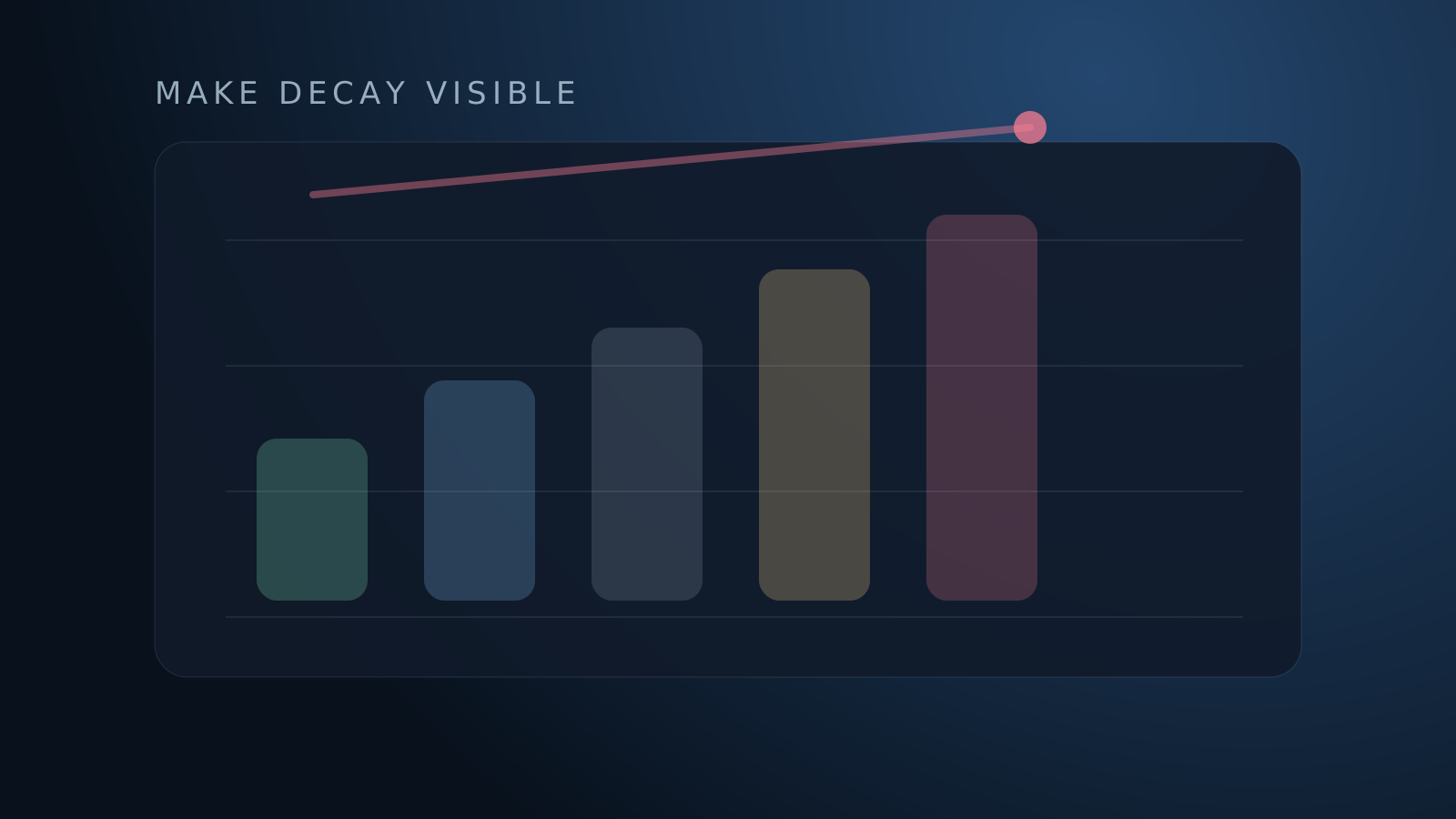
The dangerous debt is not the debt you measure. It is the debt that learns how to hide under momentum. AI projects are especially good at disguising decay as progress because new output keeps arriving even while the test surface thins and the regressions multiply. Coverage debt in LLLTS exists to make that deterioration audible. Not elegant, not flattering, just audible. If a system is shedding assurance while it grows, the compiler should sound like pipes knocking through the whole building.
Quality debt becomes dangerous when it can hide inside momentum. AI systems are especially good at generating that illusion because output keeps flowing even while assurance quietly thins out. The team sees movement and mistakes it for health.
Coverage debt exists to break that spell. It turns silent deterioration into a visible signal and, eventually, into a refusal. If quality is dropping, the system should stop whispering about it and start making noise.
Velocity Is The Best Costume Decay Ever Wore
Fast output makes everybody generous. The tickets move. The branch stays warm. The demo keeps finding fresh little miracles to show upstairs. Nobody wants to be the person who squints at the floorboards while the parade is still marching.
That is how rot gets promoted. Not by winning the argument. By arriving wrapped in speed. A system that keeps producing code looks alive even when its guarantees are bleeding out in the hallway.
AI makes this worse because it can generate confidence at industrial scale. The text comes out clean. The structure looks deliberate. The feature appears complete enough to fool a tired team. Plausibility is cheap. Proof is where the bill starts.
What Coverage Debt Actually Means
Coverage debt is not a missing number on a dashboard. It is a widening gap between what the system claims to do and what the system is still willing to prove. Every new feature added without matching evidence teaches the codebase the same ugly lesson: performance matters, accountability can wait.
Then accountability keeps waiting. One skipped test becomes three. One unverified path becomes a region. The team still talks about quality in the same sincere voice, but the machinery beneath that voice is becoming ceremonial.
Debt is the right word because the future pays for it. Not the sprint that borrowed the shortcut. The next sprint. The next refactor. The next person who has to touch code that now behaves like a witness with a selective memory.
The Dangerous Part Is That It Looks Fine
Broken things are easy to respect. A red build is at least honest. Coverage debt is nastier because the product still mostly works. The happy path smiles for the camera. The edge cases keep their mouths shut. Everyone mistakes silence for agreement.
Visible decay should be a design goal. If confidence is dropping, let that drop become public. Let the system stain the wall. Let the report get rude. Let the pipeline stop pretending this is a private matter between adults.
A language for AI-heavy engineering should know the difference between passing and proving. One is a mood. The other is a trail of evidence. We were interested in the evidence.
Why A Warning Is Not Enough
Teams can survive warnings forever. They stack them like unopened mail. Somebody means to deal with it next week. Somebody always means to. A yellow icon in the corner is just decor after the third deadline.
Refusal changes the emotional weather. Refusal means the system has stopped being a concerned observer and started acting like a lock on a door. You do not negotiate with a locked door. You either bring the key or you stay outside.
That is what quality controls are for. Not to produce tasteful shame. To create consequences early enough that the project does not learn it can outrun its own evidence.
The Machine Does Not Feel Embarrassment
Human engineers sometimes get a bad feeling from flimsy work. A method looks suspicious. A module feels under-tested. A design starts smelling like something left in the sun. That feeling is not perfect, but it is real. Models do not have it.
A model will keep going. It will draft the missing branch, smooth the naming, produce another helpful abstraction, and hand you a bigger pile of maybe. If the surrounding system does not demand proof, the machine will happily decorate uncertainty until it starts looking intentional.
So the discipline has to live outside the model. In the language. In the checks. In the rules that convert vibes into measurable obligations. If the machine cannot feel shame, the toolchain has to supply the spine.
Make Decay Visible Or Prepare To Worship It
Every project eventually reveals what it truly respects. If it respects proof, proof keeps showing up. If it respects momentum, then momentum becomes the excuse for every cut corner and every missing guardrail. The culture tells the truth long before the documentation does.
We wanted a system that stops flattering us. A system that says the assurance is thinner now. A system that says the surface still looks polished, but the foundation just lost another inch. A system that refuses to let decline wear makeup.
That is the whole argument. If quality is part of the contract, then erosion must become visible before failure becomes dramatic. No whispers. No polite hints. Make the decay show.